How to Read Evaluations and Ratings for Memory Care Facilities Sensibly
Business Name: BeeHive Homes of Plainview
Address: 1435 Lometa Dr, Plainview, TX 79072
Phone: (806) 452-5883
BeeHive Homes of Plainview
Beehive Homes of Plainview assisted living care is ideal for those who value their independence but require help with some of the activities of daily living. Residents enjoy 24-hour support, private bedrooms with baths, medication monitoring, home-cooked meals, housekeeping and laundry services, social activities and outings, and daily physical and mental exercise opportunities. Beehive Homes memory care services accommodates the growing number of seniors affected by memory loss and dementia. Beehive Homes offers respite (short-term) care for your loved one should the need arise. Whether help is needed after a surgery or illness, for vacation coverage, or just a break from the routine, respite care provides you peace of mind for any length of stay.
1435 Lometa Dr, Plainview, TX 79072
Business Hours
Families who go searching for memory care are generally doing it under pressure. A parent is wandering in the evening, a spouse with dementia is ending up being hazardous at home, or everyone is stressing out even with aid. Because minute, five bright gold stars and a handful of radiant comments seem like a lifeline. They can be, but just if you know how to check out them.
Most online ratings were built for restaurants and plumbers. Senior care is various. A great meal is the exact same for practically everybody, however fantastic dementia care depends on the person, the phase of illness, the household's expectations, and how well the community communicates. Evaluations are still useful. I've toured, put, and followed up with families at dozens of memory care neighborhoods, and well‑read reviews typically point you towards the ideal concerns. Poorly check out, they send you on a wild goose chase or make you neglect a setting that could fit beautifully.
What online rankings truly measure, and what they miss
Star ratings tend to compress a thousand details into a single digit. For memory care, that digit tends to prefer:
- First impressions at move‑in: friendliness at the front desk, tidiness, the lobby's aroma, how quickly somebody returns a call.
- Dining: whether lunch looked appetizing when a family visited midday.
- Early interaction: if the sales director followed up or went silent.
That single digit usually misses out on or underestimates:
Care consistency over time. Dementia care lives or passes away on the regimens in the wings, not the lobby. A neighborhood can ace a tour and still turn three firm caretakers in a week at night, which households only find later.
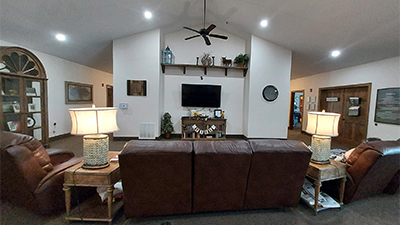
Staff training and turnover. The very best programs go back to fundamentals: rerouting without confrontation, confirming feelings, cueing with touch and eye contact, preventing distress before it escalates. That is difficult to see on a 30‑minute tour and rarely appears in a quick rating.
State survey outcomes. Assisted living and memory care licensing occurs at the state level. Many states post evaluation reports, complaint histories, and strategies of correction. These hardly ever appear on customer evaluation sites, but they are typically more trusted than anecdotes.
Fit. One household's offer breaker is another household's shrug. If your mom requires hands‑on help to eat, a location with calm, sluggish meals and personnel who sit at eye level may be best, even if the calendar looks sparse. If your spouse grows on motion, a memory care system with a secure garden and frequent strolls might beat a deluxe dining room.
The significant sources, and how to use each with a clear head
Google and Yelp control casual searches. You will see a mix of household voices and some dissatisfied one‑offs from visitors or former staff members. Read the text, not just the stars. You're searching for specifics: names of caregivers, consistent praise for how the group handles sundowning, whether housekeeping follows through. Likewise inspect dates. A flood of current reviews after a management modification can indicate genuine enhancement, or it can be a push from the brand-new group to obtain feedback. Cross‑check the tone against older comments to see if the pattern is shifting.
Caring.com, SeniorAdvisor, and A Location for Mom host many long evaluations from families who visited multiple communities. These tend to be more narrative, with beneficial information about expenses, deposit policies, or how move‑in evaluations were managed. Some are written near the tour date instead of months into living there. Weight move‑in praise lightly, and search for updates if the platform allows edits.

Medicare's Care Compare site is strong for knowledgeable nursing centers. Lots of memory care systems, nevertheless, operate under assisted living licenses and will not show on federal tools. That does not make them inferior. It suggests you ought to search your state's licensing database. For example, you can usually search for assisted living study histories, citation types, and whether deficiencies were corrected on time. The language is technical, however repeating patterns are apparent: repeated medication mistakes, bad infection control, absence of staff training.
Social media groups can be honest however variable. A regional caregivers group typically consists of first‑person accounts, both grateful and furious. Deal with these as conversation starters. If three unassociated households mention rough night staffing on weekends at the same structure, ask about staffing grids by shift. If someone praises the exact same activity director for years, that stability matters.
Patterns matter more than one‑offs
When I check out reviews, I search for clusters. One account of a missed out on shower might be a misconception. Five accounts throughout 6 months that describe locals sitting idle by the nurses' station indicate a cultural problem.
A few patterns should have extra attention:
Recency. Memory care teams turn over, and a brand-new executive director can reset requirements rapidly. Give more weight to how a community has carried out in the last 12 to 18 months. If in 2015's negatives pave the way to this year's specifics about much better communication or a brand-new nurse, that is meaningful.
Management actions. Neighborhoods that reply to reviews with names, timelines, and an invitation to go over tend to be more responsible than those that copy and paste a script. Try to find indications they fixed something explained in an evaluation, not simply that they thanked the reviewer.
The middle stars. Twos and 3s typically contain the detail you need. Fives can gush and ones can vent. 3s check out like somebody attempting to be reasonable. If those moderate evaluations share the exact same friction point, pay attention.
Specific medical topics. For dementia care, recommendations to habits support, redirection, fall prevention, and nocturnal wandering are main. If evaluations point out duplicated elopements without a plan, that is a severe red flag. If someone describes how personnel defused aggressiveness by providing a folded towel to "help with laundry," that signals great training.
A one star that I take seriously, and one I do not
Years ago a kid published a furious evaluation because his mother fell 2 days after move‑in. He offered the location one star and blamed the building. I pulled the charting: 2 staff had actually walked with her to the restroom, she got up alone from a chair by the window when they stepped away. The fall danger plan was in place and updated. I did not weigh that review heavily.
In another case, a child composed a peaceful 2 star and stated the staff called her 4 times in a week to come in since her father was pacing and nervous at sunset. She described showing up to find him in a loud common area, fluorescent lights on high, tv blaring. She requested dimmer lighting and a hand massage before supper, which settled him at home. The community thanked her openly, and two months later someone else wrote that the system had reduced lights before supper and began a "peaceful cart" with cream and soft music. That earlier two star held weight since it indicated the culture and the team's capability to learn.
What 5 star can hide
A row of five stars typically originates from move‑ins who felt heard and households who valued the sales team's warmth. That matters during a crisis. But the genuine test of memory care arrives on day 90, not day 3. Will the neighborhood still call you with small updates, or only when something fails? Do activities change as the disease advances, or does the calendar stay decorative?
Dig for specifics in five star remarks. The very best ones mention things like:
senior living
- "They brought my partner into the kitchen area to help toss salad since he used to cook. He consumed two times as much afterward."
- "Night staff contacted us to state Mom was up early and they strolled with her. They asked if a 6 a.m. Shower fits her old regimen."
- "The nurse observed Dad squinting, suggested an eye check, and it turned out his glasses prescription was off."
Five stars that only state "gorgeous building" without clinical information inform you more about the lobby than the care.
Memory care has its own yardsticks
Dementia care is not assisted living with more locks. Communities that do it well construct the day around maintained abilities and decrease friction points. When you check out evaluations, equate them into these yardsticks:
Behavior assistance and environment. Try to find discusses of calm spaces, outdoor access, and structured transitions. Evening regimens matter. A reviewer who keeps in mind a dimmer dining-room, familiar music, and aroma cues before supper is telling you the group comprehends sundowning.
Care plan follow‑through. Does anybody point out recurring check‑ins, like weekly notes from the nurse or a month-to-month household huddle about development? Communities that live their care strategies will appear in evaluations as "they knew how Mom liked her coffee by the 2nd week" or "they added afternoon walking after we discussed Dad paced at home."
Staff connection. Names matter. If evaluations throughout a year keep applauding the same caretakers, the team is steady. The opposite, a stream of thanks to firm personnel you do not recognize by the next month, signals churn.
Training. Look for words like validation, reroute, cueing, Montessori or habilitation techniques, not just "activities." Someone who states "they never argued with Mom about the date, they asked about her high school" shows staff are trained beyond job completion.
Respite care reviews read differently
Respite care is short‑term, often one to 4 weeks, and households utilize it to attempt a neighborhood or get a break. Reviews about respite care bring their own bias. Brief stays can be smooth because novelty assists, or rough since routines have actually not supported. Check out for:
Speed of assessment. Did personnel ask comprehensive concerns before the respite stay about regimens, sets off, and medications, or did they wing it?
Integration. Did the respite guest join little group activities, not simply sit by the nurses' station? Evaluations that praise how a short‑stay guest was welcomed by name and coupled with a "buddy" deserve more than ones that point out a good room.
Follow through. Respite is a trial balloon for irreversible placement. If families say they received a thoughtful summary of what worked and what did not, that is a strong sign the team pays attention.
Cross monitoring stars with realities you can verify
Even the very best evaluations are still anecdotes. You can anchor them in information without ending up being a bureaucrat.
Ask for staffing by shift in the memory care unit. The right number is the one that fulfills your loved one's requirements, not a magic ratio. As a referral point, you will frequently hear varieties like 1 caregiver to 6 to 8 locals during the day and 1 to 10 to 12 overnight, plus a nurse who covers the building or cluster. The mix matters more than the raw number. A team with 2 knowledgeable aides who know the homeowners can exceed a larger team that changes every weekend.
Check state inspection reports. Check out past the legalese and scan for repeat themes. If the very same citation appears across two or three cycles, ask why. If whatever was corrected on time and stayed corrected, the system is working.
Look at management tenure. A memory care director who has actually remained three years through a pandemic and working with swings is a stabilizer. Turnover at the top ripples through everything else. You will see it indirectly in review comments about "brand-new faces all the time" or "the very same supervisor examined Dad weekly."
Consider occupancy. An unit that is constantly half full may be having a hard time or it might be trying to minimize density during a staffing reconstruct. If evaluations praise attention even at low tenancy, that can be good. If reviews state activities were canceled frequently, low census might be starving the program.

Seeing the building informs you if the evaluations have roots
After you digest evaluations, set foot in the place and see if the words match truth. I have walked into memory care units with five tidy stars and immediately smelled stale urine in the hallway. I have likewise read a one star about "absolutely nothing to do" then showed up to find an employee kneeling eye level, playing an easy card sorting game with two homeowners who were smiling and discussing old addresses.
Watch and listen for:
Ambience. Memory care should feel calm but not hushed. Lighting needs to be soft, not dim. Take a look at citizens' faces. Are they engaged or blank?
Transitions. Visit around shift change and late afternoon. That is when systems wear their real colors. If you see confusion at 3 p.m. And "lost" homeowners lining the hall, ask how the team manages it.
Staffing habits. Are assistants crouching to speak at eye level? Do they introduce themselves with a smile and touch the resident's hand before moving them? Are names used, or is it "honey" and "sweetie" at every turn?
Dining. Small details count. Warm plates, adaptive utensils offered without you needing to ask, food cut into workable bites, staff who sit with homeowners rather than hover.
Care plans in action. Ask a casual question like, "How does Mr. Lopez like his morning?" and see whether the staffer offers something particular instead of a blank stare.
How to talk with households and staff without putting them on the spot
The best question opens doors. I approach households in common areas with respect for their privacy. If you pick up openness, try: "We are thinking about moving my mom here. How has the interaction been?" People will either wave you off politely or tell you what you require to know in two sentences. If they state, "They call me before I have to call them," that is gold. If they groan and say, "I leave messages," take note.
With staff, prevent yes or no questions. Try: "What part of the day here is the trickiest? How do you all manage it?" The method someone answers - the language they use, whether they describe a team method - informs you more than a polished sales pitch.
Weighing expenses and contracts when reviews noise great
A five star neighborhood that is a bad monetary fit will not feel like a five star after the second rate hike. When customers complain about "nickel and diming," it is worth a conversation. Memory care prices generally mixes a base rate with a care level fee connected to an evaluation. Ask how often the evaluation is duplicated, whether the care level can alter mid‑month, and what triggers the modification. People with dementia typically need more hands‑on help gradually. A transparent neighborhood will describe normal increases and give a range, not a shrug.
Respite care can be a cost‑effective trial. Search for comments about deposits being relatively managed and clear discharge timing. If a respite guest shifts to a permanent space, ask if the community credits part of the respite cost toward the move‑in.
A simple, focused checklist that keeps you honest
- Read the last 12 to 18 months of evaluations, not just the top couple of, and note recurring themes.
- Cross check styles with state examination reports and ask direct questions about any repeats.
- Visit at a difficult time - late afternoon or shift change - and enjoy how personnel connect in real time.
- Ask for staffing by shift in memory care and how they cover call‑outs or weekends.
- Call two household referrals offered by the community and inquire about communication, not simply cleanliness.
A tale of 2 communities with similar stars
Two years ago I helped a household select in between 2 memory care units, each averaging 4.3 stars.
Community A had lovely surfaces, a dynamic calendar, and multiple five star keeps in mind about vacation celebrations. Three current twos discussed canceled activities and unknown weekend staff. State reports showed 2 citations in the last cycle for medication documents, fixed within a month. On our 4 p.m. Visit, the unit was loud, the television was on in 3 rooms, and residents drifted.
Community B looked plainer and had a number of raw three star reviews complaining about the food being "dull." The same reviews, however, applauded the activity director by name and mentioned that she walked a resident day-to-day to the garden. State reports showed no repeat citations. At 4:30 p.m., the lights dimmed, calm music turned up, and I viewed a caregiver use a warm washcloth and lotion to a restless man. He relaxed, then joined dinner. A household at the door stated, "They call us about little things before they become big ones."
The family selected B. A year later, their update was easy: fewer ER visits, much better sleep, and the exact same staff greeting Dad every morning.
When a bad review is actually an inequality of expectations
Not every unfavorable remark has to do with bad care. I have actually seen families furious because the staff reoriented a resident gently rather than debating the date with him. That is great dementia care: do not argue with repaired false concepts. I have actually seen complaints about locked doors in a memory care unit as if that were a surprise. A protected periphery belongs to security for individuals who roam. Read with compassion, however equate the review through the lens of dementia finest practices. If a review condemns a practice that avoids distress, weight it lightly.
How to use reviews to prepare a better visit
If an evaluation points out noisy evenings, show up then. If several customers commemorate a specific employee, attempt to satisfy them. If you check out that call lights take too long, watch the panel and time a couple of actions. If someone praises music therapy, ask to see the schedule, then listen to how a staffer explains its purpose.
One more move that assists: bring a one‑page profile of your loved one to your very first discussion. Reviews often speak in generalities. A profile makes the discussion go specific quickly. Include foods they like, regimens that soothe them, what triggers agitation, and a number of life history truths that staff can utilize for connection. Neighborhoods that lean forward when they see that profile are more likely to provide personalized dementia care.
Writing your own evaluation so it helps the next family
You will help others if you keep it specific. Reference dates or timeframes, personnel names if suitable, and what altered gradually. If you are praising, discuss the habits: "They did X, and the outcome was Y." If you are criticizing, describe what you saw, who you informed, and whether anything improved. Star scores are fine, however the story in your words is what the next family will lean on at 2 a.m.
A short, balanced review might check out: "My mother lived here 14 months in memory care. Staff turnover was higher last winter, and activities were thin on two weekends. The executive director employed two new assistants in March, and since then call lights have actually been quicker and evenings calmer. Nurse Jasmine calls every Friday with a short upgrade. Mom consumes much better when they seat her by the window. Not fancy, but steady. Four stars."
Final ideas to consistent your hand
Reviews and rankings for memory care, respite care, dementia care, and wider senior care are useful if you read them like a clinician and a daughter at once. Try to find patterns, privilege recency, and test what you read against what you see. Let online voices direct your concerns, not make your choice for you. The very best memory care communities rarely have perfect scores. They have groups who read feedback, adjust their regimens, and discover each resident's story till the structure starts to seem like a location where a person with dementia can live, not just be housed. That is the care worth finding.
BeeHive Homes of Plainview provides assisted living care
BeeHive Homes of Plainview provides memory care services
BeeHive Homes of Plainview provides respite care services
BeeHive Homes of Plainview supports assistance with bathing and grooming
BeeHive Homes of Plainview offers private bedrooms with private bathrooms
BeeHive Homes of Plainview provides medication monitoring and documentation
BeeHive Homes of Plainview serves dietitian-approved meals
BeeHive Homes of Plainview provides housekeeping services
BeeHive Homes of Plainview provides laundry services
BeeHive Homes of Plainview offers community dining and social engagement activities
BeeHive Homes of Plainview features life enrichment activities
BeeHive Homes of Plainview supports personal care assistance during meals and daily routines
BeeHive Homes of Plainview promotes frequent physical and mental exercise opportunities
BeeHive Homes of Plainview provides a home-like residential environment
BeeHive Homes of Plainview creates customized care plans as residents’ needs change
BeeHive Homes of Plainview assesses individual resident care needs
BeeHive Homes of Plainview accepts private pay and long-term care insurance
BeeHive Homes of Plainview assists qualified veterans with Aid and Attendance benefits
BeeHive Homes of Plainview encourages meaningful resident-to-staff relationships
BeeHive Homes of Plainview delivers compassionate, attentive senior care focused on dignity and comfort
BeeHive Homes of Plainview has a phone number of (806) 452-5883
BeeHive Homes of Plainview has an address of 1435 Lometa Dr, Plainview, TX 79072
BeeHive Homes of Plainview has a website https://beehivehomes.com/locations/plainview/
BeeHive Homes of Plainview has Google Maps listing https://maps.app.goo.gl/UibVhBNmSuAjkgst5
BeeHive Homes of Plainview has Facebook page https://www.facebook.com/BeeHivePV
BeeHive Homes of Plainview has an YouTube page https://www.youtube.com/@WelcomeHomeBeeHiveHomes
BeeHive Homes of Plainview won Top Assisted Living Homes 2025
BeeHive Homes of Plainview earned Best Customer Service Award 2024
BeeHive Homes of Plainview placed 1st for Senior Living Communities 2025
People Also Ask about BeeHive Homes of Plainview
What is BeeHive Homes of Plainview Living monthly room rate?
The rate depends on the level of care that is needed. We do an initial evaluation for each potential resident to determine the level of care needed. The monthly rate is based on this evaluation. There are no hidden costs or fees
Can residents stay in BeeHive Homes until the end of their life?
Usually yes. There are exceptions, such as when there are safety issues with the resident, or they need 24 hour skilled nursing services
Do we have a nurse on staff?
No, but each BeeHive Home has a consulting Nurse available 24 – 7. if nursing services are needed, a doctor can order home health to come into the home
What are BeeHive Homes’ visiting hours?
Visiting hours are adjusted to accommodate the families and the resident’s needs… just not too early or too late
Do we have couple’s rooms available?
Yes, each home has rooms designed to accommodate couples. Please ask about the availability of these rooms
Where is BeeHive Homes of Plainview located?
BeeHive Homes of Plainview is conveniently located at 1435 Lometa Dr, Plainview, TX 79072. You can easily find directions on Google Maps or call at (806) 452-5883 Monday through Sunday 9:00am to 5:00pm
How can I contact BeeHive Homes of Plainview?
You can contact BeeHive Homes of Plainview by phone at: (806) 452-5883, visit their website at https://beehivehomes.com/locations/plainview/, or connect on social media via Facebook or YouTube
You might take a short drive to the Jimmy Dean Museum. Jimmy Dean Museum offers a low-impact cultural experience appropriate for assisted living, senior care, elderly care, and respite care visits.